In the demanding world of manufacturing and logistics, the ground beneath your feet is more than just a surface; it is a critical asset. At Floorfinder, we understand that your facility’s floor is the foundation of your operational efficiency and safety.
What is Industrial Flooring?
Industrial flooring refers to heavy-duty surfaces specifically engineered to withstand the rigorous demands of industrial environments. Unlike commercial or residential flooring, these systems are designed to endure extreme mechanical stress, chemical exposure, and thermal shock.
Common spaces requiring robust industrial flooring solutions include:
- Manufacturing plants and factories
- Warehouses and distribution centres
- Food and beverage processing facilities
- Pharmaceutical laboratories
- Aerospace and automotive workshops
Why Quality Flooring Matters
The importance of high-quality industrial flooring cannot be overstated especially in countries within the APAC region. Industries in certain parts of this region face unique challenges, including high ambient humidity and temperatures, which can affect the curing and adhesion of flooring materials. A subpar installation can lead to delamination, cracking, or moisture-related failures, resulting in costly downtime. Investing in a professional-grade system ensures your facility remains operational and compliant with local safety standards.
Factors to Consider When Choosing an Industrial Flooring System
Selecting the right floor requires a holistic approach. At Floorfinder, we guide our clients through several key technical considerations to ensure the system matches the environment.
Expected Traffic Type and Frequency
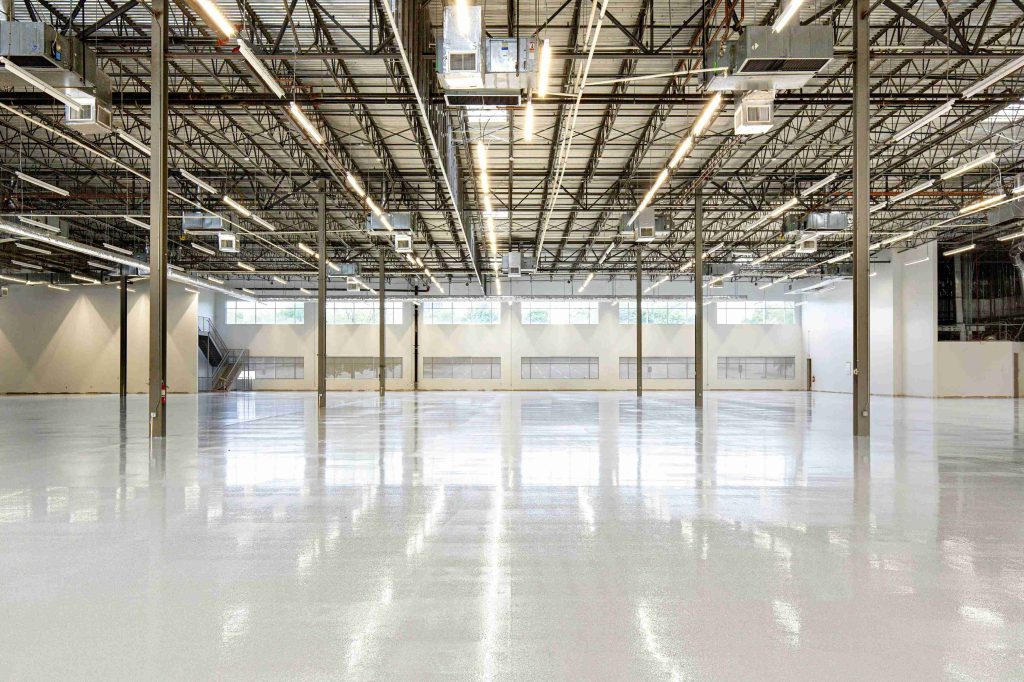
The weight and nature of your traffic dictate the required compressive strength of the floor. A facility using manual pallet jacks has vastly different needs than one utilising 5-tonne reach trucks or AGVs. Frequent traffic increases abrasive wear. That means a thicker build or a high-performance topcoat is necessary to prevent the concrete from being exposed over time.
Environmental Factors and Hygiene
Industrial floors often face “punishment” from the environment. This includes exposure to aggressive chemicals, oils, and moisture. In sectors like food processing or pharmaceuticals, hygiene is paramount. A seamless flooring system eliminates grout lines where bacteria can breed, ensuring compliance with HACCP and other international hygiene standards.
Longevity and Aesthetic
While a floor must be functional, it is also a long-term investment. Choosing a system based solely on initial cost often leads to higher expenses later due to frequent repairs. Additionally, the aesthetic—including colour-coding for safety zones or high-gloss finishes to improve light reflectivity—plays a major role in workplace safety and employee morale.
Safety and Compliance
Slip resistance is a non-negotiable factor in industrial settings, especially where floors are prone to getting wet or oily. We factor in specific anti-slip textures and, where necessary, anti-static (ESD) properties to protect sensitive electronic components and prevent fire hazards in volatile environments.
Types of Industrial Flooring Solutions
We specialise in high-performance resin floor systems. Each product line is engineered to solve specific industrial challenges.
Epoxy Flooring Systems
Epoxy is the most versatile and widely used industrial flooring system. Industrial epoxy flooring consists of a resin and a hardener that, when mixed, create a rigid plastic material that bonds incredibly well to concrete substrates.

- Key Characteristics: Epoxy is known for its exceptional hardness and compressive strength. It creates a high-gloss, seamless finish that is easy to sanitise. It is also highly resistant to a wide range of industrial chemicals, including diluted acids and alkalis.
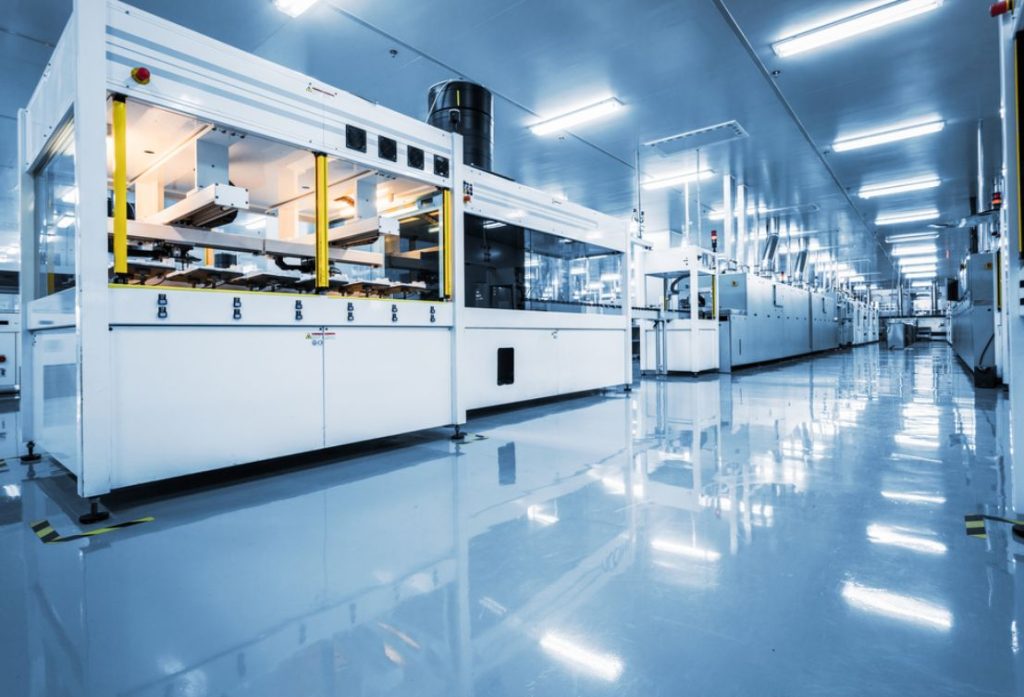
- Best Use Cases: These systems are ideal for electronics manufacturing (ESD-grade), dry warehouses, automotive assembly lines, and laboratories where a “cleanroom” environment is required.
Polyurethane (PU) Flooring Systems
PU or polyurethane floors are often confused with epoxy, but they offer distinct advantages in terms of flexibility and impact resistance.
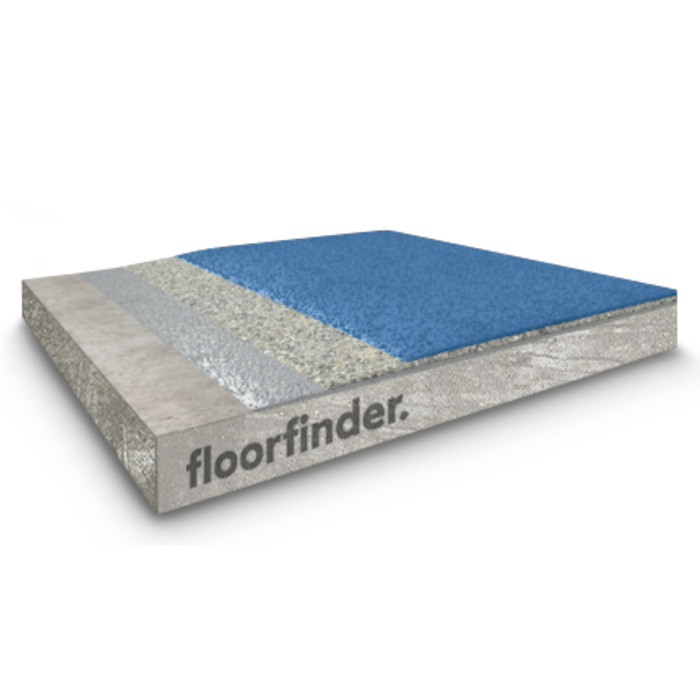
- Key Characteristics: PU floors are “softer” than epoxy, which allows them to act as a cushion against heavy impacts and scratching. They are highly resilient to UV light, meaning they will not yellow or become brittle when exposed to sunlight through large warehouse doors. Furthermore, PU systems have superior resistance to organic acids, such as those found in dairy and fruit processing.
- Best Use Cases: Car park flooring (due to their crack-bridging abilities), retail environments, multi-purpose industrial halls, and facilities with high foot traffic.
Polyurethane Concrete (PU Concrete) Systems
For the most extreme environments, we recommend PU Concrete. This is a heavy-duty hybrid system that combines polyurethane resin with cement and specialised aggregates.
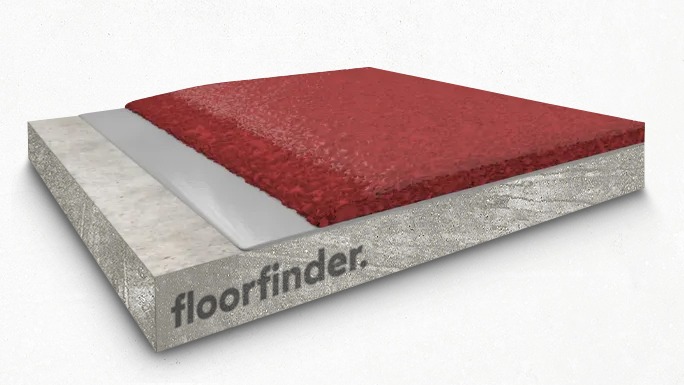
- Key Characteristics: This system is virtually indestructible, low odour, and low emissions. Its most significant advantage is thermal shock resistance; it can withstand extreme temperature swings. It is also incredibly dense, providing the highest level of resistance to heavy impact and aggressive chemical cleaning.
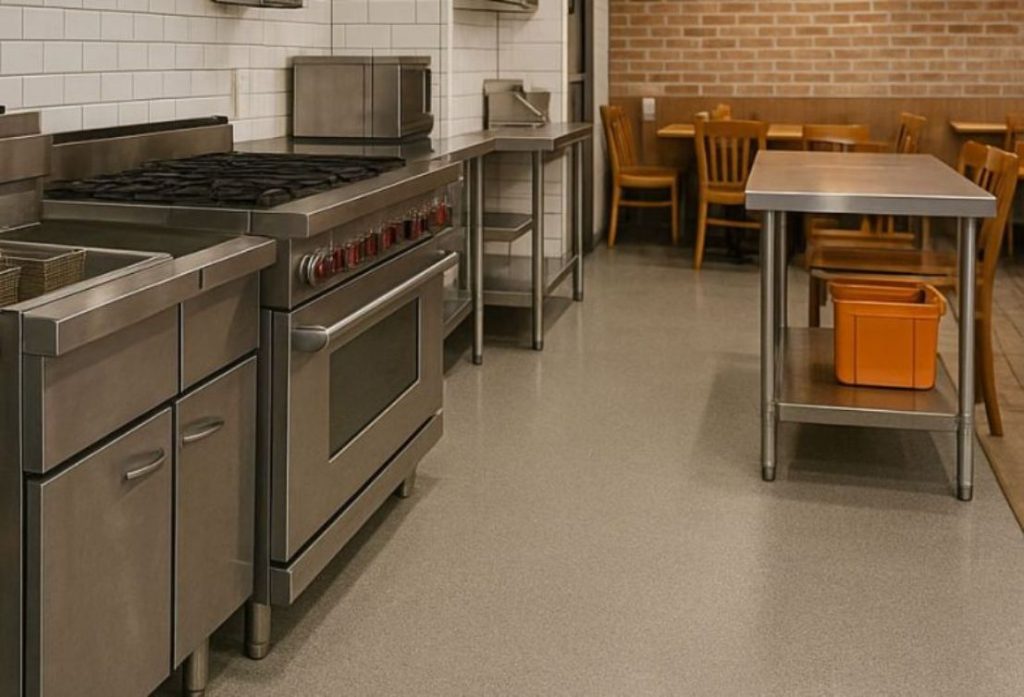
- Best Use Cases: Commercial kitchens, cold storage and freezers, food and beverage bottling plants, and heavy-duty chemical processing zones where steam cleaning is a daily requirement.
Industrial Flooring Installation Process
A great floor is 10% material and 90% preparation. The typical industrial flooring installation process follows several basic steps to ensure a flawless bond:
- Surface Preparation: We use mechanical grinding or shot blasting to remove contaminants and open the pores of the concrete.
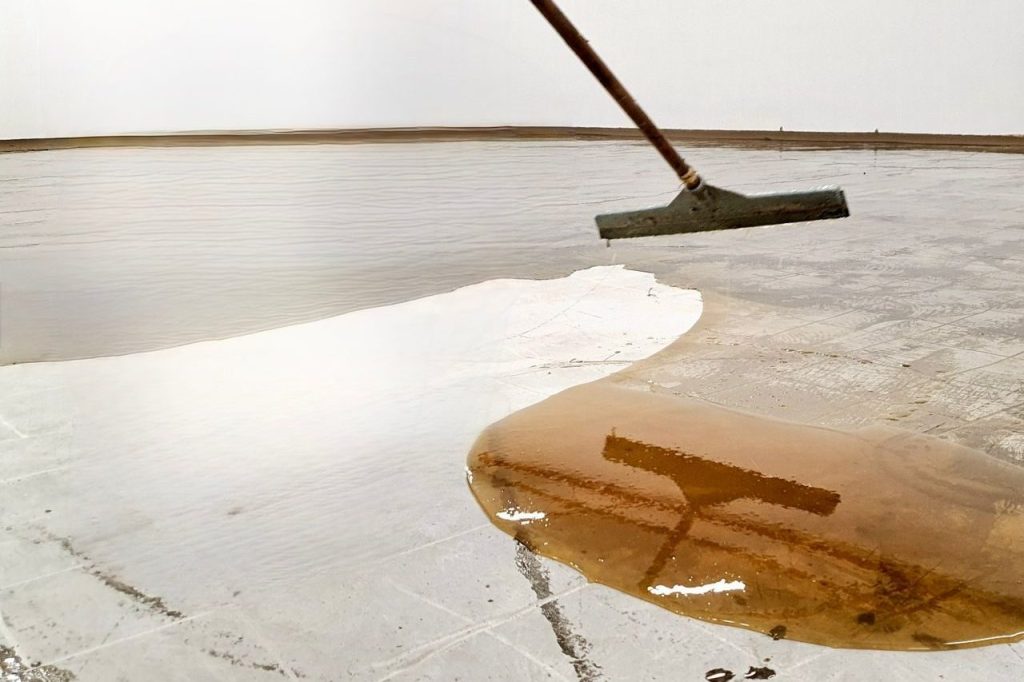
- Priming Layer: A low-viscosity primer is applied to penetrate the substrate, ensuring the subsequent layers adhere perfectly.
- Base Coat Application: This layer provides the bulk of the floor’s thickness and determines its mechanical strength.
- Finishing/Topcoat: The final layer provides the desired colour, texture (anti-slip), and chemical resistance.
- Curing in the Tropics: In humid climates, we ensure adequate curing time—typically 24 hours for foot traffic and 7 days for full chemical cure—to prevent premature failure.
How to Extend the Lifespan of Industrial Flooring Systems
Even the toughest industrial flooring requires care to reach its full life expectancy. Following these protocols will protect your investment.
Proper Installation and Refurbishment
The lifespan of your floor starts on day one. Engaging a specialist ensures the moisture content of the slab is checked and the correct primer is used. Over the years, if the surface begins to show signs of wear, professional refurbishment—such as a fresh topcoat—can restore the floor’s integrity without the need for a full removal.
Regular Cleaning and Maintenance
Debris and grit act as abrasives under the wheels of heavy machinery. Implementing a daily cleaning schedule using pH-neutral detergents will prevent the topcoat from being scratched or dulled. This simple step can add years to the lifecycle of an epoxy or PU system.
Mechanical Damage and Spill Management
While our floors are impact-resistant, they are not indestructible. Avoiding the dragging of heavy metal pallets and ensuring forklift tyres are free of embedded debris will prevent gouging. Similarly, while our systems are chemically resistant, allowing harsh chemicals to sit on the surface for extended periods can eventually cause staining. Promptly managing spills is essential.
Environmental and Temperature Control
For facilities using standard epoxy, maintaining a consistent temperature helps prevent unnecessary expansion and contraction of the substrate. In environments where extreme heat or cold is unavoidable, ensuring you have the correct PU Concrete system in place is the best “preventative maintenance” you can perform.
Conclusion
Your industrial flooring system is a vital component of your business infrastructure. Whether you are dealing with the precision of a cleanroom or the rugged demands of a chemical plant, Floorfinder provides the expertise and high-performance materials necessary to protect your investment.
Contact Floorfinder today to discuss your project. From site assessment to final curing, we provide tailored industrial flooring solutions that stand the test of time in tropical or humid climates.