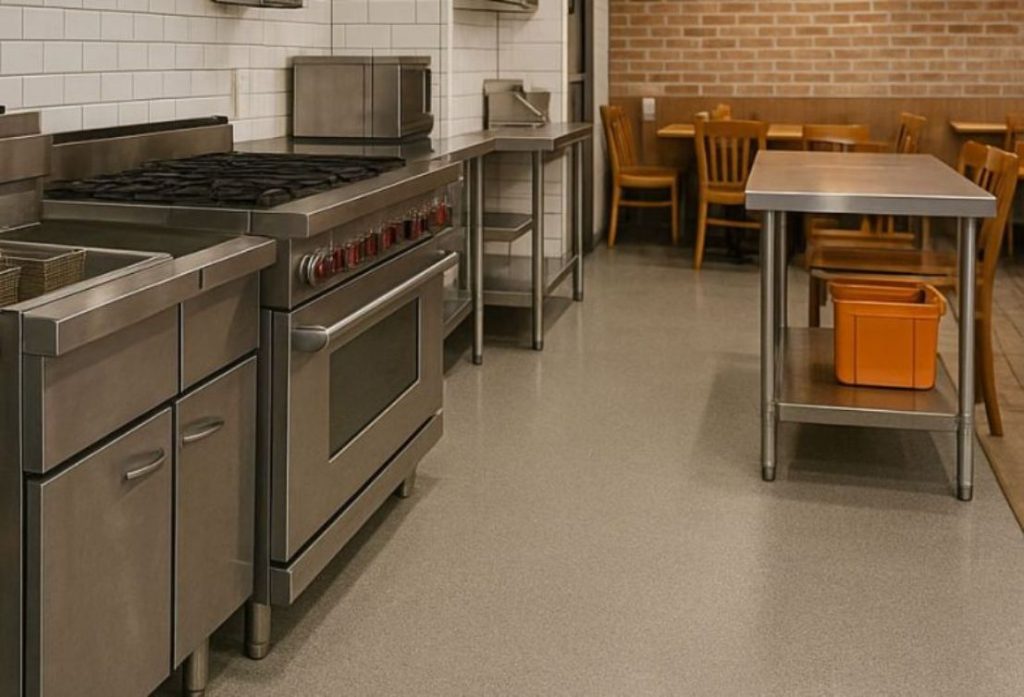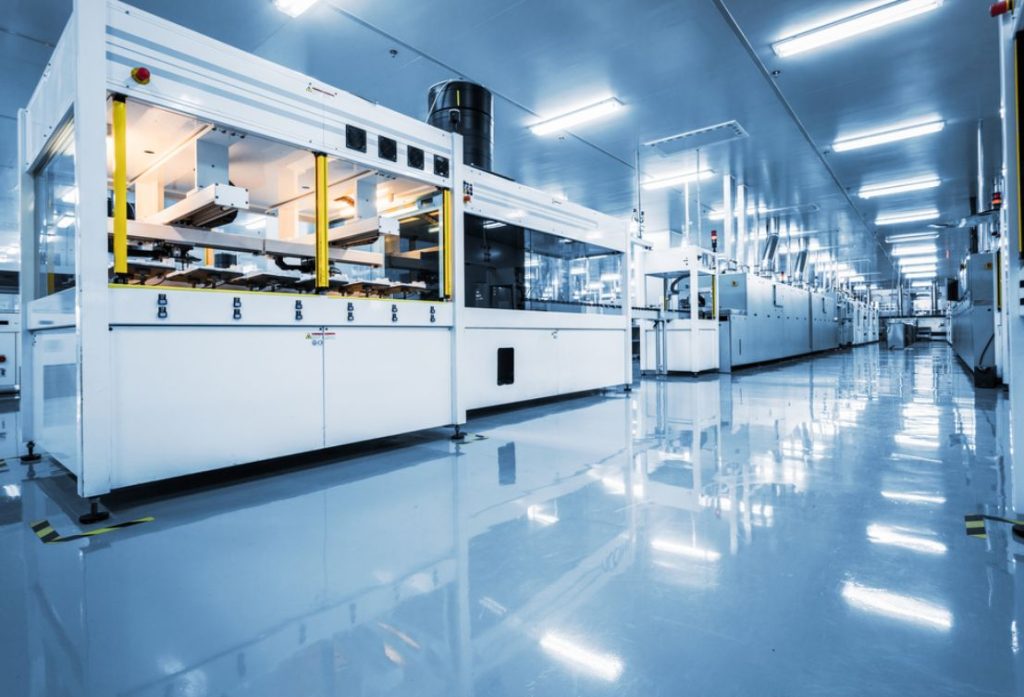
1Epoxy flooring is known for its durability, seamless finish and resistance to heavy use. However, when something goes wrong, the signs can become obvious very quickly. Peeling, bubbling, blistering, cracking and sections of flooring lifting away from the substrate are all common epoxy flooring problems that can affect both the appearance and performance of the floor.
When an epoxy floor fails, attention often turns immediately to the visible topcoat. However, the defect you see on the surface may only be the symptom. Problems with surface preparation, moisture, adhesion or the layers underneath can cause the entire flooring system to deteriorate over time.
Understanding where the failure actually started is therefore essential before deciding how the floor should be repaired.
Beneath the Surface: The Real Cause of Your Failed Resin Floor
You chose the finish, approved the colour and signed off on the flooring system. Yet 12 months later, the epoxy floor is blistering, lifting or peeling around the edges.
The natural assumption is that something went wrong with the topcoat. However, epoxy floor peeling, bubbling and delamination can often begin much deeper within the epoxy flooring system.
One of the most important areas to investigate is the primer layer between the substrate and the flooring system above it. Although it is rarely visible once installation is complete, the primer plays a critical role in helping the resin flooring bond properly to the concrete substrate.
If the substrate was poorly prepared, moisture was present, the wrong primer was selected, or the primer was incorrectly applied, adhesion can be compromised. The resulting epoxy floor failure may not become visible until months after installation.
Below are four common failure patterns and the underlying issues that may be causing them.
4 Possible Reasons Why Your Epoxy Floor Failed
1. The Hidden Moisture Trap
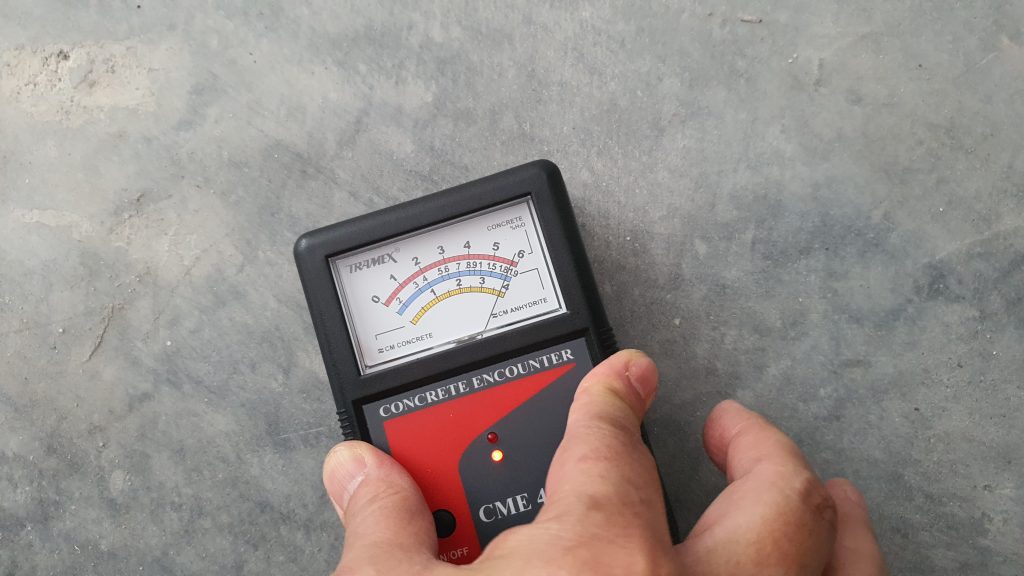
Ground floor slabs and basements act as permanent sources of moisture. A slab might look completely dry to the naked eye while testing at 5 CM% residual moisture using the calcium carbide method, which is well above the tolerance levels for most standard primers.
When you apply a moisture-sensitive primer over a damp slab, the moisture vapour continues to rise, building pressure beneath the sealed film. Eventually, the pressure builds up, usually during a hot spell six to eighteen months after installation, and the floor lifts in sheets.
The fix is not a better topcoat; it is a moisture barrier primer specified and applied correctly from the start. On substrates between 4 and 6 CM% moisture, this requires a two-coat, film-forming application that seals the surface completely.
The Lesson: Always test. You must measure moisture content using the calcium carbide method (CM%) before selecting any primer. A visual inspection is never enough.
2. The Wrong Primer Was Used for the Substrate
Not all epoxy primers are interchangeable. A water-based, low-emission primer designed for dry mineral substrates like magnesite, anhydrite, or masonry is vapour permeable by design. While it is the correct product for occupied environments where odour and VOC compliance are critical, it is the wrong product for a damp concrete slab.
Applied to the wrong substrate, it does not fail immediately. Instead, it allows moisture to pass through it, slowly and continuously, until the system above it separates.
This is the most common misapplication error in the market. It occurs because these products are low-emission and water-based, which is often mistakenly interpreted as “safe to use anywhere.”
The Lesson: Primer selection must be substrate-specific. A formulation that works in a hospital corridor will not work on a basement floor.
3. Single Coat Applied Where 2 Were Required
A single coat of a prefilled epoxy primer at standard consumption seals the surface pores of the concrete, but it does not form a continuous moisture barrier.
On substrates with moisture content above 4 CM%, a second coat is mandatory. It must be applied at a minimum consumption rate, with close attention to producing a closed, film-forming surface. This second coat is where the barrier is created. Skipping it is not a cost-saving measure; it is a deferred remediation cost that will inevitably be 3 to 5 times larger.
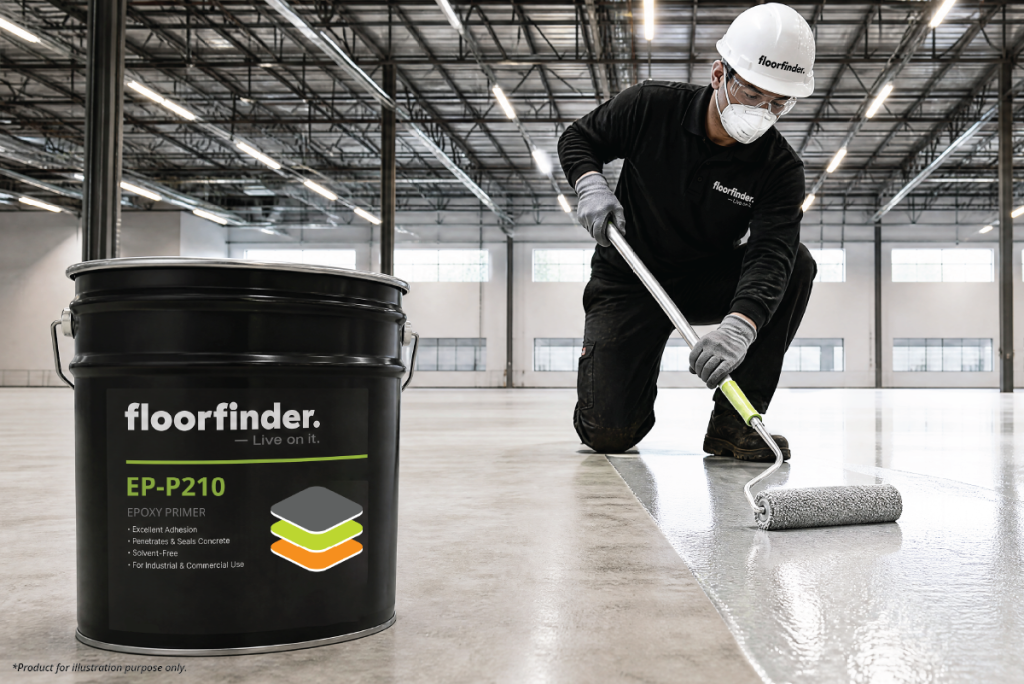
The lesson: The number of coats is a specification requirement determined by the substrate moisture reading. It is not a variable the applicator should decide on site.
4. Missing the Overcoating Window
Every primer has a maximum overcoating window, which is the specific period after which the surface must be mechanically abraded before the next layer is applied. If you miss that window, the cured primer surface no longer provides the active chemical bonding profile required for the next coat to adhere properly. As a result, the system separates cleanly at the inter-coat interface, often months later under foot or vehicle traffic.
This is particularly common on phased projects, such as hospital refurbishments or multi-area commercial fit-outs, where the delay between the primer and topcoat application is not tracked against product specifications.
The Lesson: Overcoating windows is a rigid product specification, not a suggestion. If the window is exceeded, the surface must be re-abraded. There are no exceptions.
Takeaway
The common thread is that every failure listed here is preventable. The key is choosing the right product for the site conditions, preparing the substrate properly, and applying each layer at the correct rate and within the specified time window.
The primer may represent only a small part of the total flooring cost, but getting it wrong can lead to expensive strip-out, re-preparation, re-priming, and re-application. That makes primer selection one of the most important decisions in the project.
Working with an experienced epoxy flooring supplier can help ensure the primer and coating system are properly matched to the substrate and site conditions from the start.
Ready to understand which FLOORFINDER primer is correct for your substrate?
For technical specification support, contact Floorfinder today!