
SYSTEMS

Chemical-Resistant Resin Flooring

Resin flooring systems designed for environments exposed to process chemicals, cleaning agents, spills, and demanding operational conditions.

Chemical-Resistant Flooring for Demanding Environments

Where chemicals are handled regularly, standard surface finishes can deteriorate through repeated spills, splashes and cleaning routines. Floorfinder’s chemical-resistant resin flooring systems help protect the substrate while maintaining a durable and maintainable working surface.

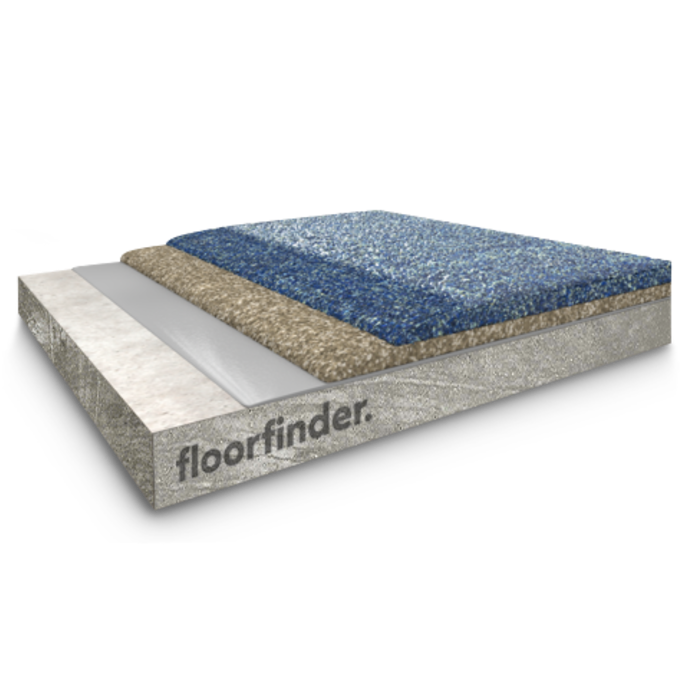
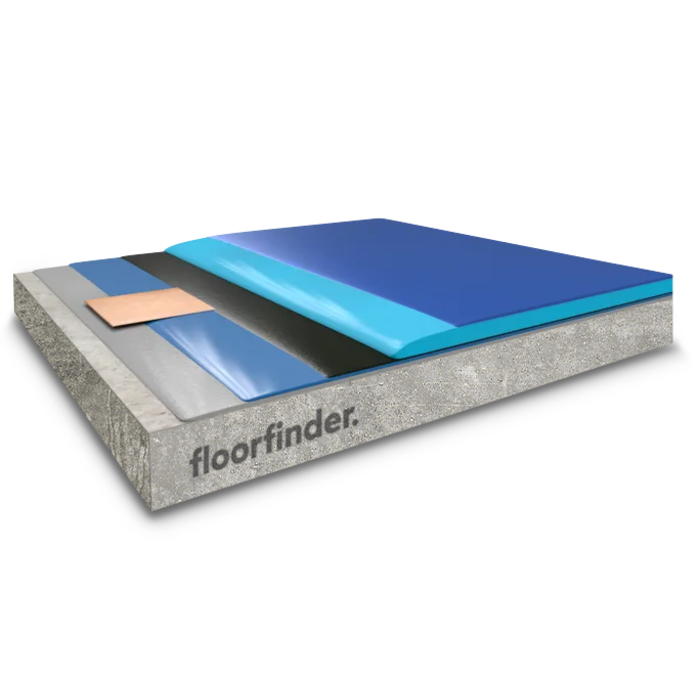
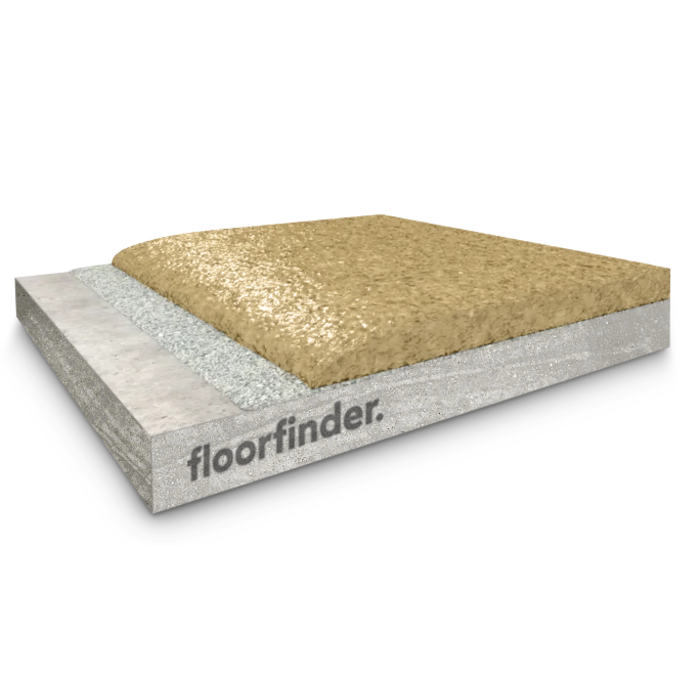
Depending on the chemical profile, the specification may include chemical-resistant epoxy flooring, polyurethane or other suitable resin technologies. The right system is selected according to factors such as chemical type, concentration, temperature, exposure duration and cleaning requirements.

Flooring Designed Around Chemical Exposure

Chemical resistance is not the same across every resin flooring system. A floor exposed to food acids and washdown chemicals has different requirements from one handling solvents, alkalis or industrial process chemicals. Floorfinder matches the chemical-resistant floor coating and system build-up to the substances and operating conditions expected in each area.

This helps reduce premature surface attack, coating breakdown and maintenance issues while allowing slip resistance, cleanability and other performance requirements to be considered within the same specification.

Key Chemical-Resistant Flooring Characteristics

Specified for Chemical Exposure

Resin systems are selected around the type, concentration and frequency of chemical contact expected in the space.

Protects the Substrate

A properly specified system helps reduce chemical penetration and deterioration of the concrete beneath.

Seamless & Easier to Clean

Continuous surfaces reduce joints where spills and contaminants can collect.

Slip-Resistance Options

Textured finishes can be incorporated in spill-prone and frequently wet areas where additional traction is required.

Refurbishment-Friendly

Where the substrate remains suitable, existing floors may be resurfaced or upgraded to restore chemical protection.
Suitable Applications

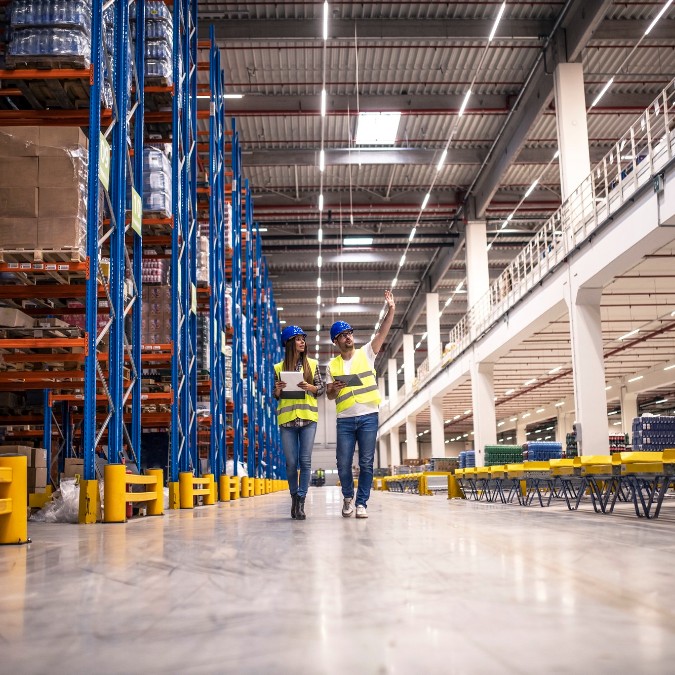
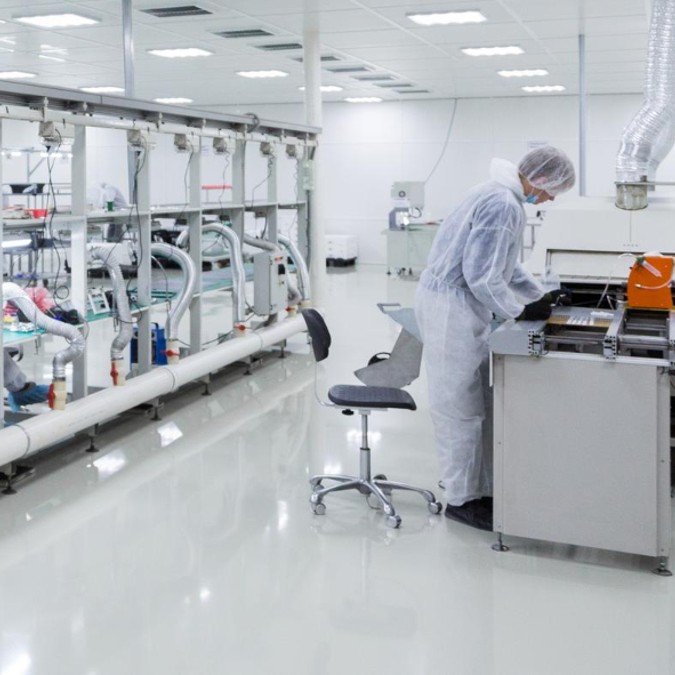
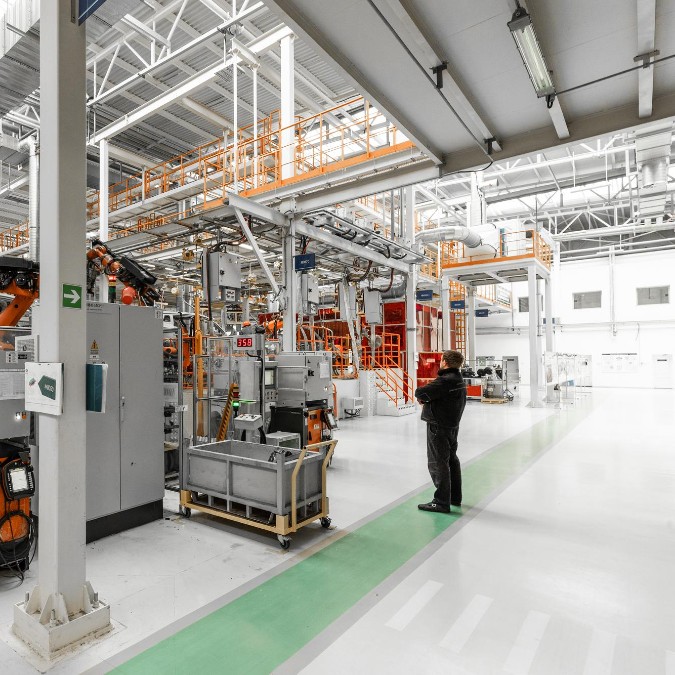
Suitable for pharmaceutical production, food and beverage processing, laboratories, chemical storage and dosing areas, service rooms and industrial facilities where flooring is routinely exposed to chemicals or aggressive cleaning agents.

Frequently Asked Questions

Commonly used in areas where chemical contact is expected during normal work. It helps create a protected surface that supports safer, more consistent upkeep.

Not necessarily. The coating must match what's actually present on site. Concentration, temperature, and contact duration all affect performance, so the flooring should be specified for the real exposure conditions.

Yes. It can include textured finishes where spill risk is higher. The finish is chosen to balance grip and cleanability while maintaining the coating’s protective role.

Often, yes. The flooring can be installed during upgrades when the substrate is stable and properly prepared. A proper coating relies on correct preparation to perform as intended over time.

Start with the exposure profile: what chemicals are used, how often contact occurs, and how the area is cleaned. With that information, the system can be specified with a build-up and coating suited to the zone's operating demands.

Scroll to Top