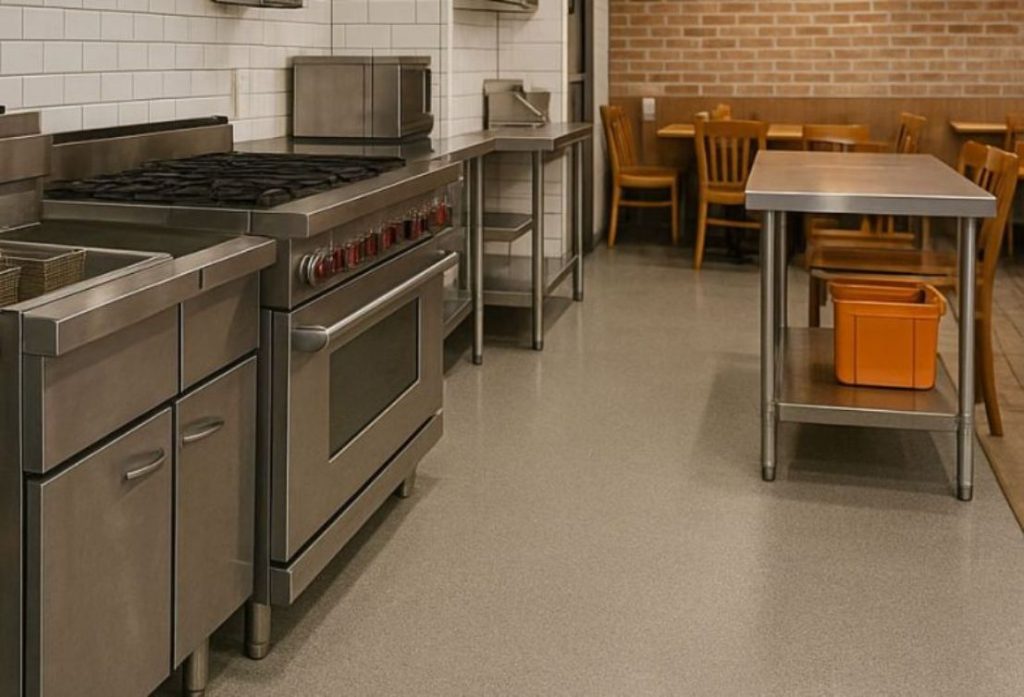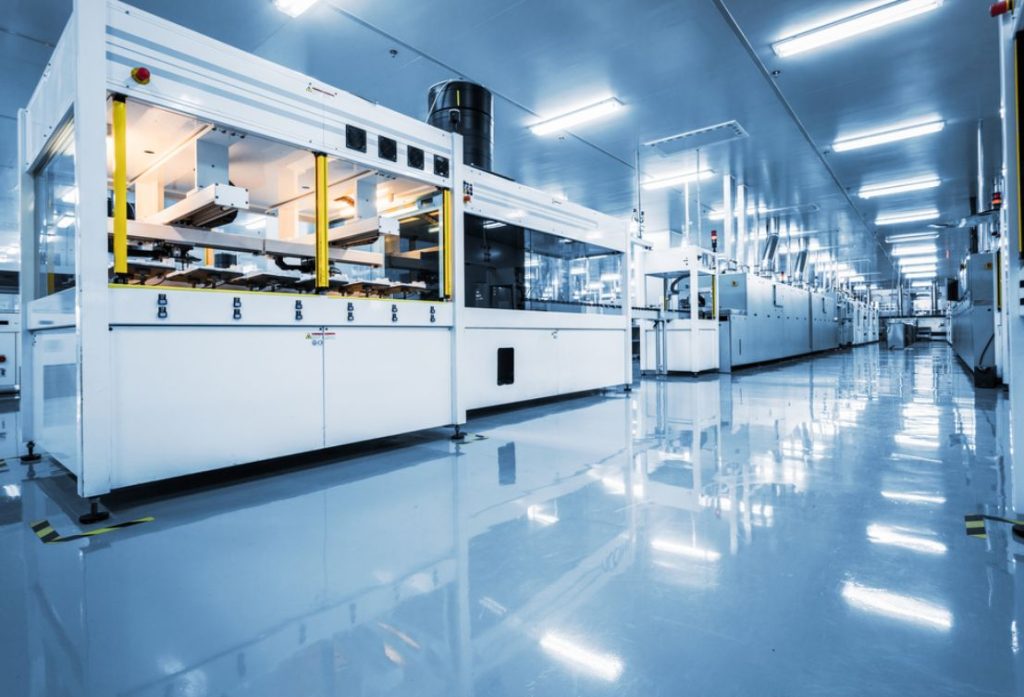
Commercial floors are subjected to demanding conditions that go far beyond everyday foot traffic. From shopping centres and healthcare facilities to warehouses and manufacturing plants, flooring systems must withstand continuous pedestrian movement, rolling loads from trolleys and equipment, impact from dropped objects, aggressive cleaning routines, and exposure to moisture or chemicals.
The right flooring system does not simply appeal aesthetically. A surface that performs well in a low-traffic environment may deteriorate quickly when exposed to constant mechanical stress. Common options such as low-wear vinyl, budget laminates, or standard tiles may experience issues including surface peeling, cracking, joint deterioration, or water penetration when used beyond their intended applications.
For high-traffic commercial spaces, the flooring system must be specified based on operational demands, maintenance requirements, and expected service life.
Key Flooring Performance Indicators to Specify
When comparing commercial flooring options, it is important to evaluate more than the initial installation cost. The right system should be selected based on the environment, traffic conditions, and long-term performance expectations.
Abrasion and Impact Resistance
High-traffic areas experience continuous friction from footwear, equipment wheels, and moving loads. Over time, insufficiently durable flooring can develop surface wear, scratches, and exposed substrate areas.
For facilities with heavy equipment such as pallet trucks, forklifts, or carts, the warehouse flooring system must provide sufficient mechanical strength to withstand repeated impact and loading. Resin flooring systems can be engineered with different thicknesses and reinforcement layers to match specific operational requirements.
Seamlessness vs Joints and Seams
Joints and seams are often the weakest points in a commercial flooring system. Gaps between tiles or panels can allow moisture, dirt, and contaminants to accumulate, while repeated traffic may cause edges to lift or deteriorate.
A seamless flooring system creates a continuous surface without grout lines or joints, reducing potential failure points and making cleaning and maintenance more efficient. This is especially important in environments where hygiene and contamination control are priorities.
Chemical and Stain Resistance
Commercial floors may be exposed to a wide range of substances, including cleaning chemicals, oils, beverages, and industrial fluids. Flooring materials that lack sufficient chemical resistance can experience staining, discolouration, or surface degradation.
The appropriate flooring system should be selected based on the type of exposure expected. Protective topcoats and specialised resin formulations can provide enhanced resistance against specific chemicals and operating conditions.
Slip Resistance and Safety
Safety is a critical consideration in commercial environments, particularly in areas exposed to moisture, spills, or high pedestrian movement.
Slip-resistant or anti-slip flooring systems can be customised with textured finishes or aggregates to improve traction while maintaining ease of cleaning. Surface performance should be evaluated according to recognised slip resistance requirements, including pendulum test values (PTV) and surface coefficient of friction (SCOF) ratings where applicable.
Acoustics and Ergonomics
In busy commercial environments such as offices, schools, and healthcare facilities, flooring performance also affects user comfort.
Hard surfaces can contribute to increased noise levels through footfall impact and sound reflection. Certain flooring systems, such as polyurethane (PU) flooring, provide greater flexibility and underfoot comfort compared to rigid surfaces, helping to improve acoustic performance and overall user experience.
Total Cost of Ownership (TCO)
The lowest upfront cost does not always result in the most economical flooring solution over time. A flooring system that requires frequent repairs, replacement, or intensive maintenance can lead to higher operational costs throughout its service life.
Evaluating total cost of ownership involves considering installation costs, maintenance requirements, repair frequency, and expected replacement cycles over the long term.
Comparing High-Traffic Commercial Flooring Options
Different commercial flooring systems offer varying levels of durability, maintenance requirements, and suitability depending on the application.
Resin Flooring Systems
Resin flooring systems are widely used in demanding commercial and industrial environments due to their seamless construction, durability, and ability to be customised according to performance requirements.
Polyurethane (PU) Flooring
Best suited for: Offices, schools, retail spaces, healthcare facilities, and outdoor or semi-exposed areas.
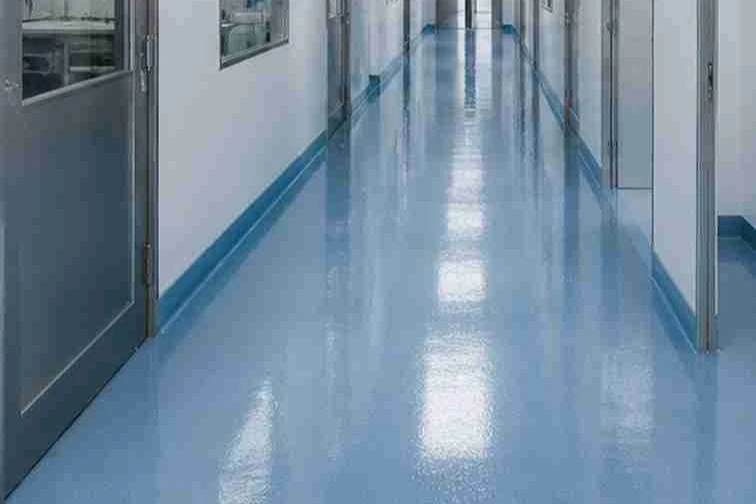
Polyurethane flooring provides excellent flexibility and resilience, making it suitable for environments where impact resistance and user comfort are important. Compared to more rigid systems, PU flooring offers improved thermal shock resistance and noise reduction, while selected formulations provide UV stability for exposed applications.
Its softer underfoot feel also makes it suitable for areas where occupants spend extended periods standing or walking.
However, PU flooring requires professional installation using a multi-layer application process to achieve consistent performance.
Epoxy Flooring Systems
Best suited for: Commercial lobbies, retail spaces, distribution centres, manufacturing facilities, and car parks.
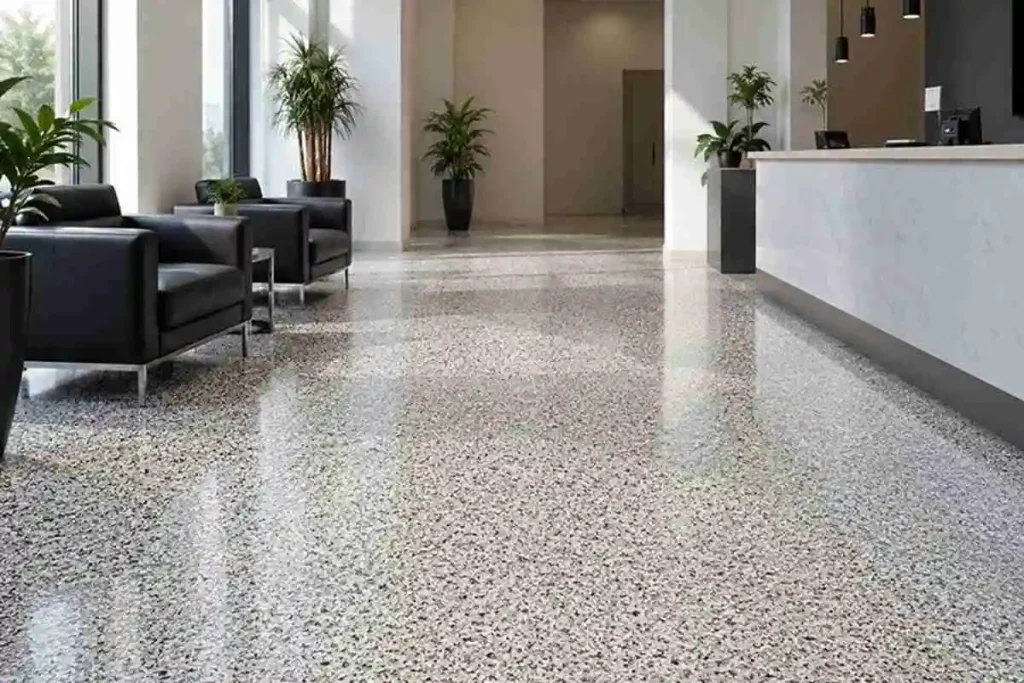
Epoxy flooring is recognised for its high compressive strength, seamless finish, and customisation options. It can be designed with decorative finishes, colour zoning, and protective topcoats to suit different commercial requirements.
The seamless surface improves hygiene and simplifies maintenance, making epoxy suitable for areas requiring a durable and easy-to-clean floor.
However, epoxy systems have a more rigid structure and require proper assessment of concrete conditions and joints before installation. Standard epoxy systems are generally recommended for indoor applications unless UV-stabilised formulations are specified.
Polyurea and Hybrid Coatings
Best suited for: Fast-turnaround projects, heavy wear areas, and waterproof applications.
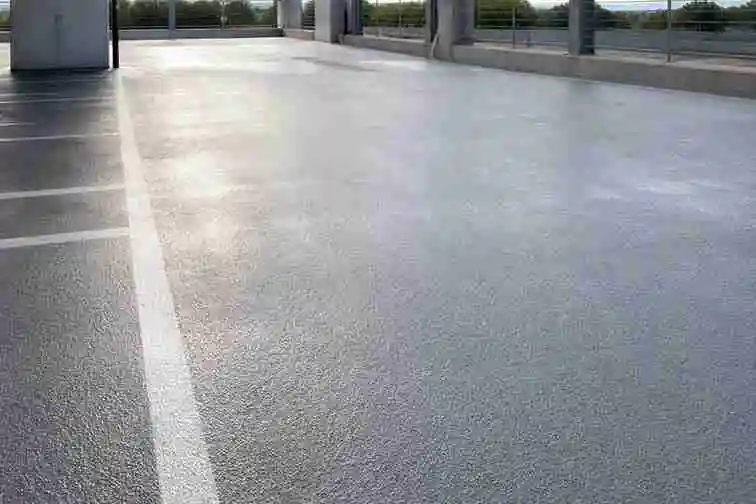
Polyurea and hybrid coating systems offer rapid curing times, excellent elasticity, and high chemical resistance. These properties make them suitable for projects where downtime must be minimised or where the floor is exposed to demanding conditions.
Due to their fast installation process, these systems require experienced application teams and careful substrate preparation. Proper mechanical preparation of the concrete surface is essential to prevent adhesion issues and premature failure.
Traditional Modular and Tile Flooring Options
While traditional flooring options remain common in commercial applications, their performance can vary significantly depending on traffic levels and environmental conditions.
Commercial Luxury Vinyl Tile (LVT/LVP)
Best suited for: Low-to-medium traffic offices and boutique retail environments.

LVT and LVP flooring provide a wide range of aesthetic options, including finishes that replicate wood and stone. They are relatively quick to install and can create visually appealing commercial spaces.
However, the seams between individual tiles or planks can become vulnerable points in high-traffic environments. Heavy rolling loads may cause lifting or damage, while moisture and dirt can accumulate between joints.
Commercial Carpet Tiles
Best suited for: Executive offices, meeting rooms, libraries, and quiet areas.
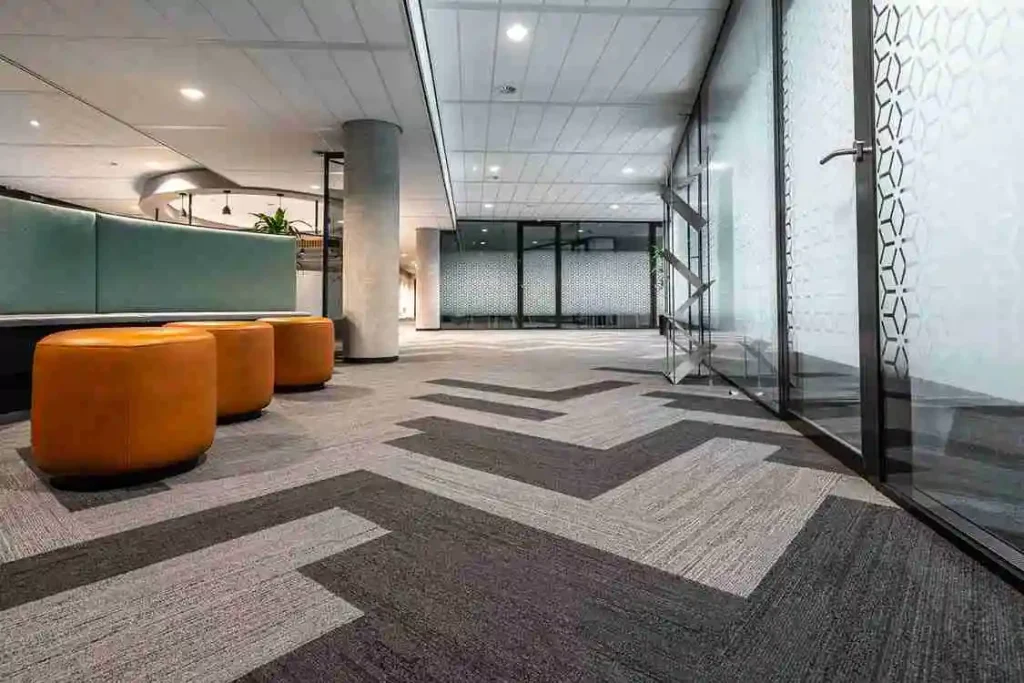
Carpet tiles provide excellent acoustic performance and allow damaged sections to be replaced individually. They are often selected for environments where noise reduction and comfort are priorities.
However, carpet is less suitable for areas exposed to frequent spills, moisture, or strict hygiene requirements due to its difficulty in deep cleaning and sanitisation.
Porcelain and Terrazzo Tiles
Best suited for: Building entrances, airports, transit hubs, and high-end commercial spaces.
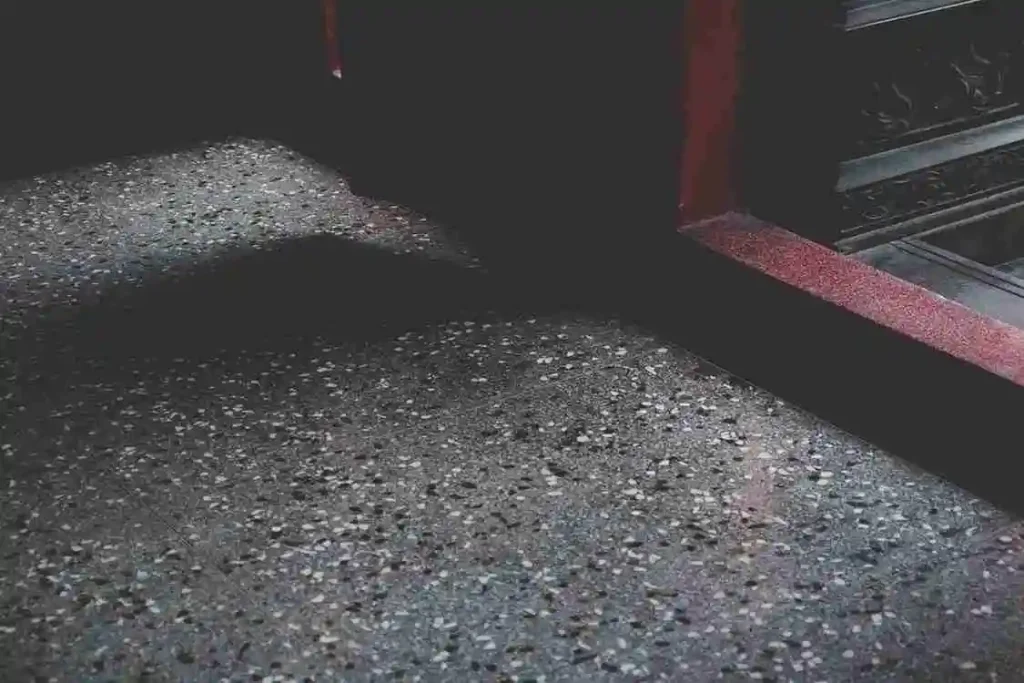
Porcelain and terrazzo offer excellent surface durability and resistance to wear, making them suitable for areas with heavy pedestrian traffic.
However, these systems typically involve higher material and installation costs. Rigid surfaces can also be less comfortable under prolonged standing conditions, while grout lines require regular maintenance to prevent dirt accumulation and deterioration.
Why Seamless Resin Build-Ups Dominate Heavy-Use Spaces
For facilities exposed to demanding operating conditions, seamless resin flooring systems provide advantages that traditional flooring solutions cannot easily replicate.
Zero Seams Means Reduced Maintenance Risks
Unlike tile or modular flooring systems, seamless resin flooring eliminates joints and grout lines where dirt, moisture, and contaminants can collect.
This makes resin systems particularly suitable for environments where cleanliness, hygiene, and ease of maintenance are critical.
High-Performance Flooring Is More Than a Paint Coating
A common misconception is that resin flooring is simply a coating applied over concrete. In reality, high-performance resin flooring is an engineered multi-layer system designed around the specific requirements of the facility.
A typical system may include:
- Primer layer for adhesion to the concrete substrate
- Scratch coat to improve surface preparation and system strength
- Body coat to provide thickness and mechanical performance
- Top coat for chemical resistance, wear protection, and surface finish
The final build-up is selected based on factors such as traffic intensity, load requirements, environmental exposure, and hygiene considerations.
Lower Lifetime Maintenance Requirements
Seamless resin flooring can reduce long-term maintenance requirements by eliminating issues associated with tile replacement, grout cleaning, and repeated surface treatments.
For high-use commercial spaces, reducing maintenance downtime and labour requirements can significantly improve lifecycle value.
Custom Zoning and Aesthetic Flexibility
Performance does not need to come at the expense of design. Resin flooring systems can incorporate colour-coded safety zones, walkways, directional markings, decorative finishes, and anti-slip textures within a continuous surface.
This allows facilities to improve workplace organisation, safety, and visual appearance while maintaining the required performance characteristics.
Choosing the Right Flooring System for High-Traffic Areas
Selecting the best flooring for heavy foot traffic requires a balance between mechanical performance, hygiene requirements, safety considerations, and long-term maintenance costs.
There is no single flooring solution suitable for every commercial environment. The ideal system depends on factors such as traffic volume, equipment usage, chemical exposure, cleaning requirements, and expected service life.
A resin flooring specialist can help assess these requirements and recommend the appropriate multi-layer flooring build-up for your facility.
Explore Floorfinder’s flooring systems to identify a solution designed for your specific commercial application.